
What Counts as Luxury Hardware, in Brief
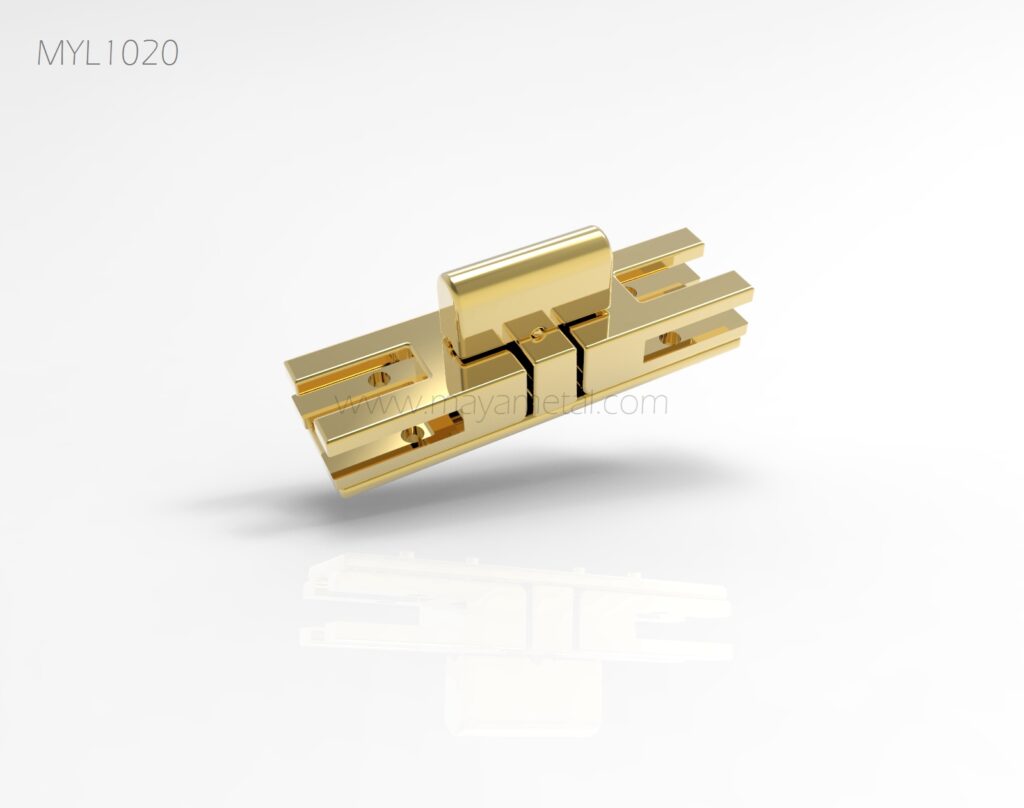
Luxury bag hardware quality depends on precise dimensions, clean edges, smooth movement, consistent finish color, scratch-free surfaces, secure assembly and protective packing. Buyers should approve physical samples and define written inspection criteria before mass production, because a premium bag is judged by the metal parts a customer touches first. Maya Metal manufactures custom stainless steel and brass hardware for handbags, leather goods and luggage, and supports sample-based approval before production.
What Makes Bag Hardware Look Premium?
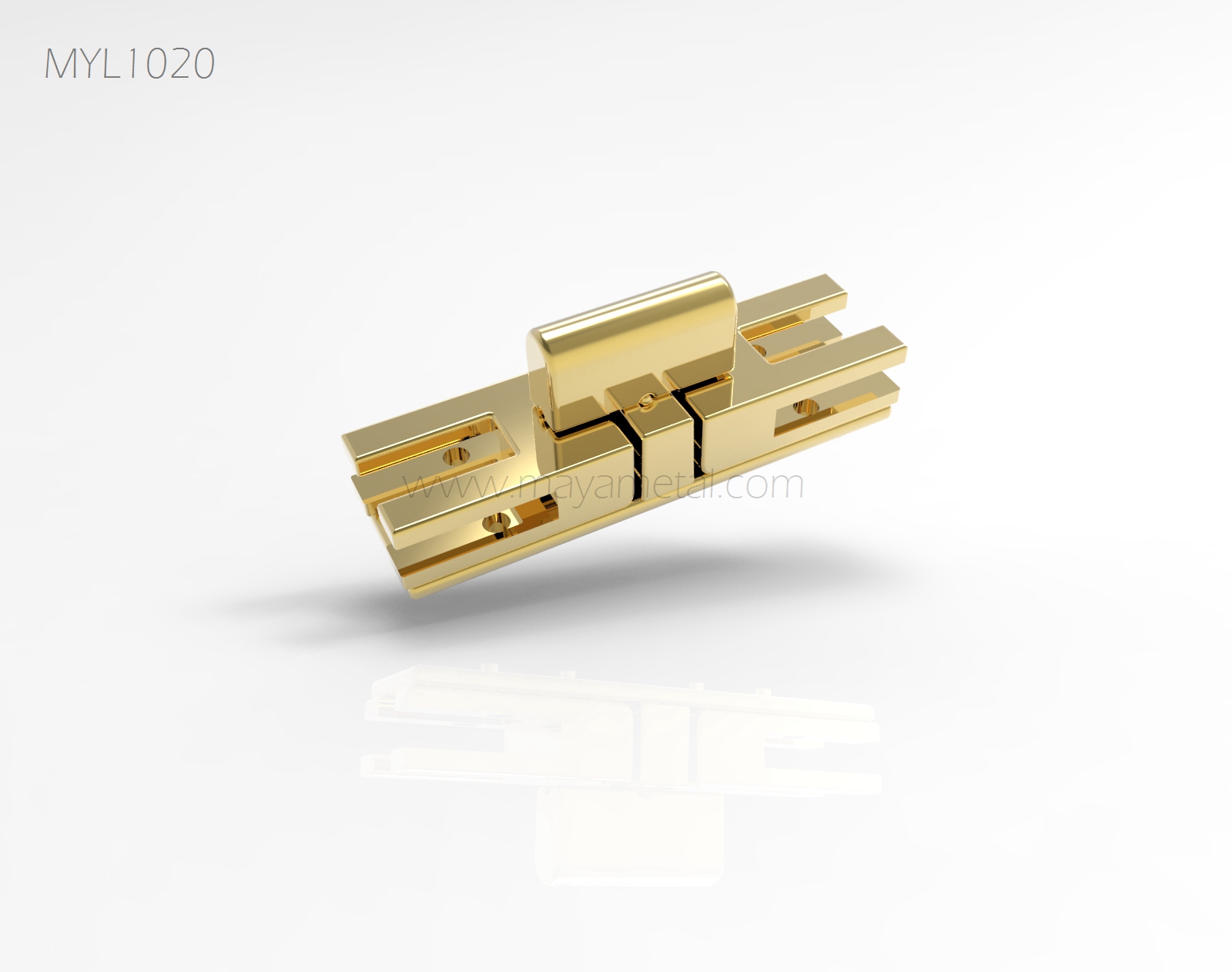
Premium hardware starts with proportion and precision. A lock, ring or buckle should sit exactly where the design intends, with dimensions that match the approved drawing and gaps that stay tight and even. When two parts meet — a lock plate and a turn clasp, or a ring and a strap loop — the fit should look deliberate, not approximate.
Surface quality is the second signal. Luxury buyers expect flat surfaces without waves, edges without burrs, and corners that are deburred but still crisp. A polished part should reflect light evenly; a brushed part should show a uniform grain direction. Any ripple, pit or tool mark becomes obvious under store lighting.
The third signal is feel. Moving parts should open and close with controlled, consistent resistance. A turn lock that feels loose, a magnetic closure that misaligns, or a swivel hook that sticks will make an expensive bag feel cheap, regardless of how good the leather is.
Which Visible Defects Should Buyers Reject?
Visible defects are the easiest to define and the most damaging to brand perception. Common ones include dents, scratches, burrs, sharp edges, pits in polished surfaces, visible tool marks, parting-line flash on cast parts and inconsistent gap sizes between mating components.
Buyers should reject parts where the defect sits on a visible face of the installed hardware. A minor mark on a hidden back surface may be acceptable depending on the agreed standard, but the same mark on a lock face or logo plate is not. This is why acceptance criteria should define "A-surface" and "B-surface" zones per part.
Edge quality deserves special attention on parts that touch leather or skin. Rough edges on D rings, strap loops or chain links can cut thread, scratch leather or irritate the wearer, turning a cosmetic issue into a product complaint.
What Functional Defects Affect Daily Use?
Functional defects stop the hardware from doing its job. For locks, that means weak or inconsistent closing force, misalignment between the two lock halves, or a mechanism that binds after repeated cycles. For snap hooks and swivel hooks, it means a spring gate that does not close fully, a gate that opens too easily, or a swivel that rotates with play or resistance.
Magnetic closures should be checked for alignment and holding strength on the actual bag, because leather thickness and interlining change the effective gap. Buckles should be checked for pin movement and strap fit, and D rings for deformation under real loads. Functional criteria should be tested on the assembled bag, not only on loose parts — a lock that works on the bench can still fail once stitch tension and bag geometry are involved.
Which Finish Defects Ruin the Luxury Look?
Finish defects include color mismatch between parts in the same set, uneven plating coverage in recesses, peeling or flaking coating, haze or cloudiness on polished areas, orange-peel texture, water spots and fingerprints sealed under a protective layer.
Color consistency is a set-level problem. A gold-tone lock, D rings, chain and feet made in different batches or processes can drift apart visibly when assembled on one bag. Buyers should compare all hardware components together under consistent lighting against an approved master sample.
Scratch visibility depends on finish. High-polish, black and dark gunmetal finishes show scratches more clearly than brushed or antique finishes. If the design calls for a scratch-sensitive finish, handling and packing standards must be stricter — see the site's surface finish options for what each finish involves.
Why Do Packing Defects Matter for Luxury Orders?
Packing defects include parts rubbed together in bulk bags, missing protective film, moisture exposure, deformed parts from over-stacked cartons and metal-on-metal contact during transit. For luxury hardware, a part that leaves the factory perfect can still arrive scratched if packing is treated as an afterthought — see scratch prevention for luxury bag hardware for handling and protection standards.
Protective packing typically means individual film or tissue wrapping, compartment trays for polished parts, separated layers, and cartons that prevent movement. The packing method should be agreed as part of the order specification, including how hardware arrives at the bag factory: quantity per bag, labeling by SKU and finish, and protection of pre-assembled sets.
How Should Buyers Run Pre-Production Approval?
Pre-production approval means signing off physical samples against written criteria before mass production begins. The approval should cover dimensions, fit on the real bag, movement, finish color and gloss against a master sample, logo detail, edge quality and packing method.
The approved sample becomes the reference standard. Both sides should keep signed samples, and the inspection criteria — A-surface zones, acceptable color range, functional test method — should be documented so that production inspection and incoming inspection use the same standard. Maya Metal's quality assurance process is built around this approve-then-inspect logic.
If a change is requested after approval, it should trigger a documented re-approval. Silent revisions between the approved sample and production are one of the most common causes of disputes in custom hardware orders.

