
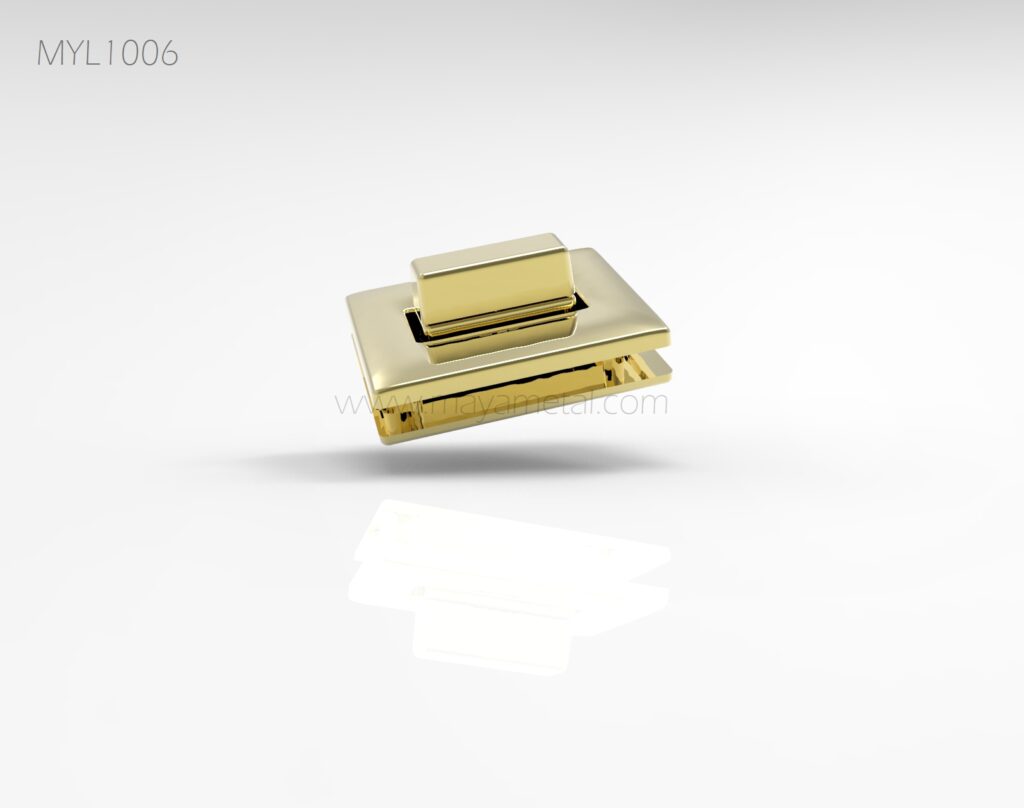
Electroplating: The One-Minute Version
Electroplating is one of the most common bag hardware surface finish options, used to apply decorative metal layers to bag hardware. It can create gold-tone, nickel-tone, gunmetal and other finishes, but color consistency, corrosion resistance and coating adhesion depend on base material, surface preparation and process control. Buyers should approve plated samples physically and agree inspection and test criteria before production.
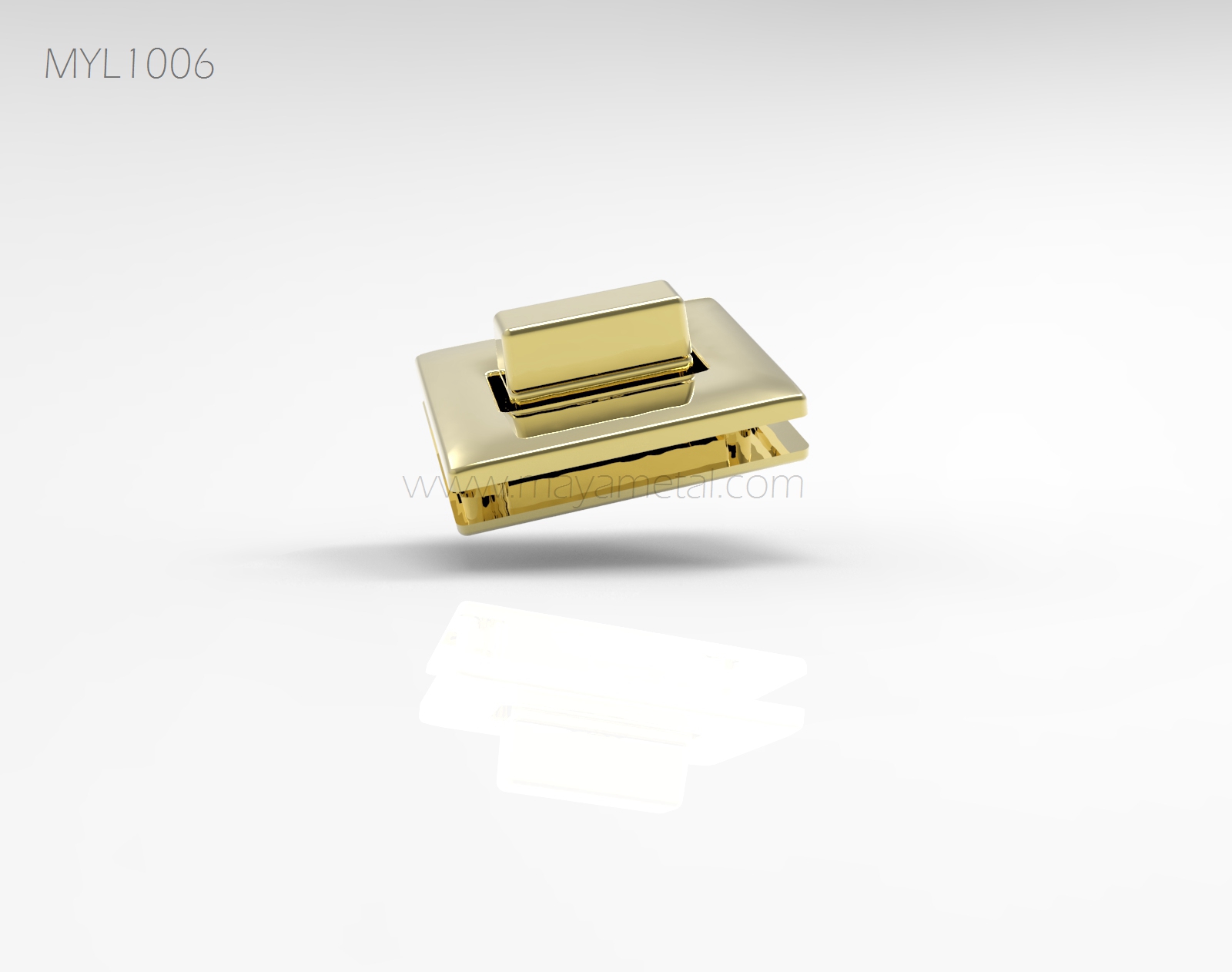
What Is Electroplating?
Electroplating uses an electric current to deposit a thin layer of metal onto a prepared part. In bag hardware, the deposited layers provide the visible color and much of the corrosion protection. A plated finish is usually a stack of layers rather than one layer, and the quality of each layer affects the final result.
Because plating builds on the surface beneath it, the process cannot hide poor base material or poor polishing. Scratches, pits and contamination on the base part will often show through the plated layer. This is why surface preparation — polishing, cleaning and activation — is as important as the plating bath itself.
What Are the Common Plated Colors?
Common plated colors for bag hardware include gold-tone in several depths, nickel-tone (bright silver), gunmetal (dark grey metallic), rose-tone, antique brass and antique silver effects, and black finishes. Antique effects add a darkened, aged look in recesses and are often used on decorative brass hardware.
Color names are not specifications. "Gold" can mean very different tones across suppliers, and even across batches from one supplier. Buyers should define color with an approved physical sample and a gloss level, never with a name alone.
How Does Plating Behave on Brass, Zinc Alloy and Stainless Steel?
| Base Material | Plating Behavior | Buyer Notes |
|---|---|---|
| Brass | Traditional base for decorative plated finishes; polishes well before plating | Can tarnish if the plating system is thin or damaged; confirm protection |
| Zinc alloy | Commonly plated; casting quality affects plating adhesion | Porosity in castings can cause blistering; plating quality is critical |
| Stainless steel | Can be plated, but PVD is often considered for colored finishes on stainless steel | Surface activation is important for adhesion; confirm process suitability |
The base metal also influences the final color. The same plating recipe can look warmer on brass and cooler on another substrate, which is why cross-material color matching is difficult. For stainless steel parts that need a colored finish, see PVD coating vs electroplating compared for the main trade-offs.
What Plating Defects Should Buyers Watch For?
Common plating defects include color variation between parts or batches, peeling or flaking (adhesion failure), blistering, pitting, rough or burnt edges, uneven coverage in recesses, and premature tarnish or corrosion. Sharp edges and deep recesses are the highest-risk areas because coating thickness varies there.
Buyers should inspect under consistent lighting, check recesses and edges specifically, and compare parts against the approved master sample. Functional parts such as plated brass bag locks and hooks should also be checked after movement testing, because plating wear appears first at contact points. These checks should be covered in the agreed finish inspection and testing plan before shipment.
How Does the Color Approval Process Work?
A reliable approval process starts with physical plated samples on the actual part, not flat test coupons alone. The buyer approves one signed master sample per color, and the manufacturer uses it as the target for production batches.
All components that appear together on a bag should be approved together under the same lighting. Batch inspections during production should compare against the master sample, and any approved tolerance range should be written down. This turns "color looks wrong" disputes into measurable comparisons.
What Should Buyers Know About Salt Spray and Corrosion Testing?
A salt spray test exposes finished parts to a controlled salt fog for a defined number of hours to compare corrosion resistance. Results depend on base material, surface preparation, plating stack, coating thickness, part geometry and the test standard used.
A claim such as "passed salt spray test" is too vague on its own. Buyers should ask for the named test method, test hours, sample condition and failure criteria, and request test reports when corrosion performance matters for the product's market.

