
Finish Options in a Nutshell
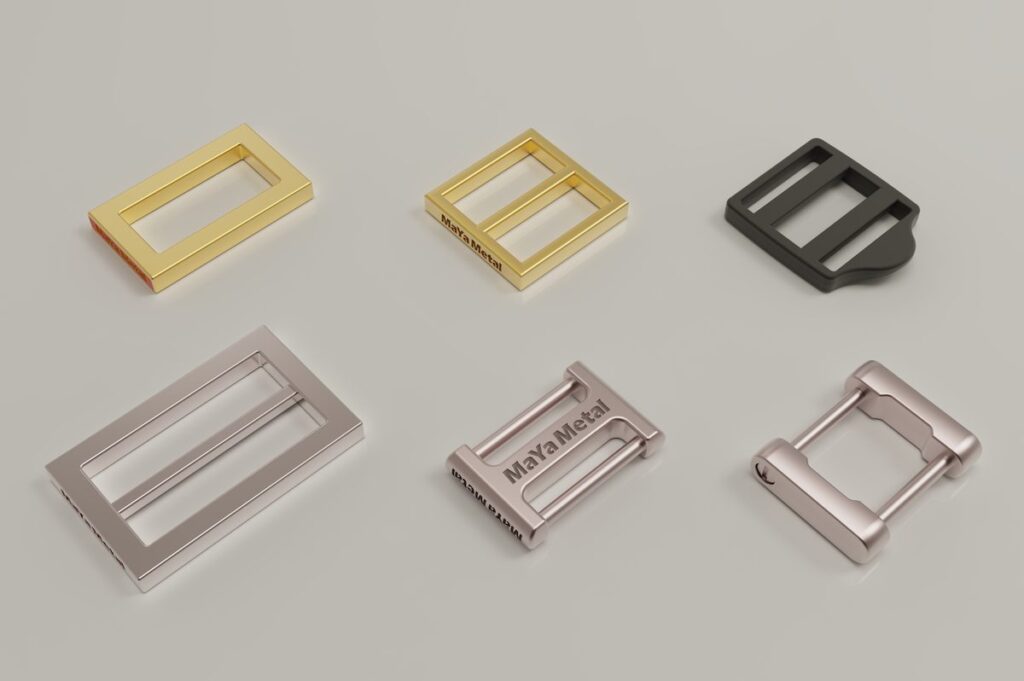
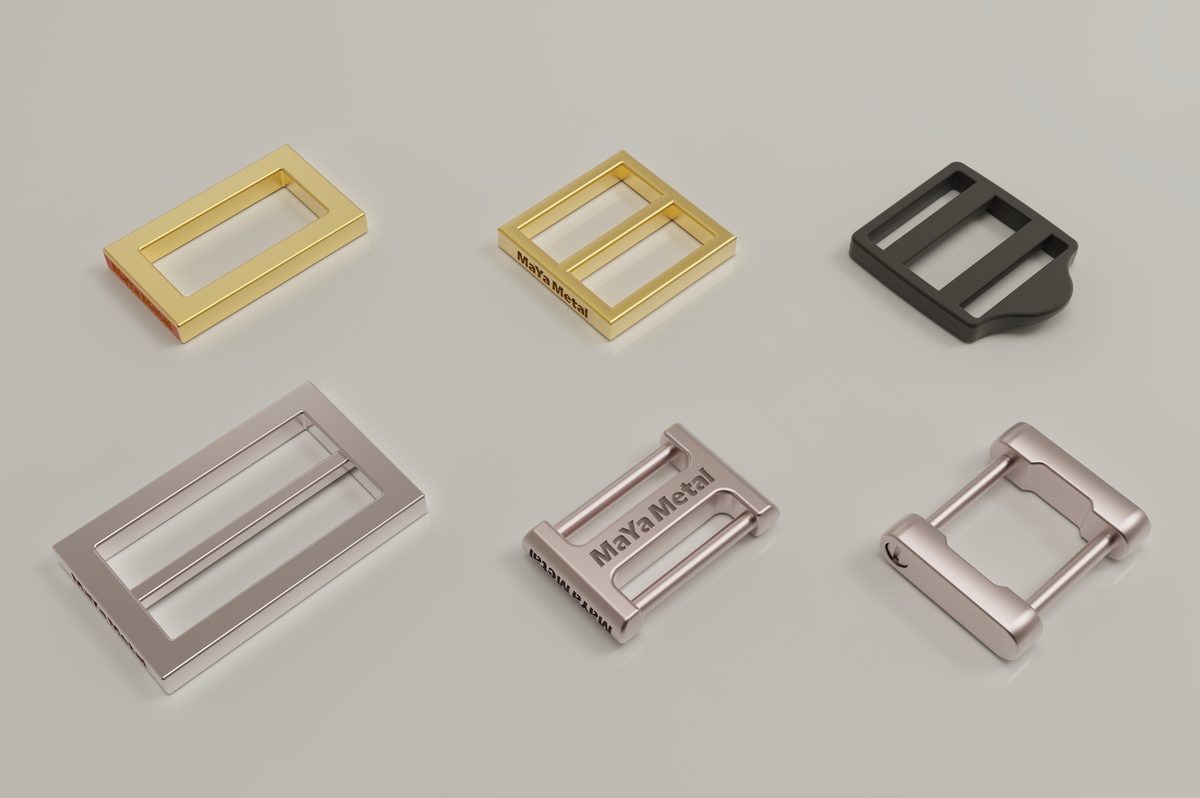
Bag hardware surface finish affects color, corrosion resistance, scratch visibility and perceived quality. Common finishes include polished, brushed, electroplated, PVD, antique, matte black, gold-tone, nickel-tone and gunmetal. Buyers should approve physical metal samples before mass production, because a metal finish cannot be accurately defined by a photo or a verbal description.
What Finish Types Are Available for Bag Hardware?
Bag hardware finishes fall into two broad groups: mechanical finishes and coating finishes. Mechanical finishes change the metal surface itself. Polished finishes create a mirror-like shine and show scratches easily. Brushed finishes create a fine directional grain that hides light wear better. Matte and sandblasted finishes soften reflections for a quieter, modern look.
Coating finishes add a layer on top of the base metal. Electroplating can produce gold-tone, nickel-tone, gunmetal, rose-tone and antique effects. PVD (physical vapor deposition) is a vacuum coating often used on stainless steel hardware for durable decorative colors such as gold-tone, black or gunmetal. The available finish options for any part depend on base material, surface preparation, part geometry and process control.
PVD vs Electroplating: What Is the Difference?
| Criteria | PVD | Electroplating |
|---|---|---|
| Typical base material | Often stainless steel | Brass, zinc alloy and other metals depending on process |
| Appearance | Dense decorative colors, often very uniform | Wide decorative color range, including bright gold tones |
| Durability | Often strong color stability on suitable parts | Depends heavily on plating stack and thickness |
| Geometry limits | Fixture position and coating coverage matter | Recesses and sharp edges can plate unevenly |
| Buyer risk | Color approval and batch consistency | Color variation, adhesion and corrosion performance |
Neither process is automatically better. Buyers should test the chosen process on the actual part, because geometry and surface preparation change the result. For a detailed comparison, see the guide to PVD vs electroplating for bag hardware.
How Does Base Material Affect Finish Choice?
Stainless steel accepts polishing and brushing directly, and PVD coating when the geometry and surface preparation are suitable. Because the base metal is corrosion resistant, stainless steel hardware can also be used without a colored coating.
Brass polishes to a deep, warm shine and is a traditional base for plated decorative finishes. Because brass can tarnish, plated or protected finishes should be confirmed before production. On any material, poor polishing or cleaning before coating will show through the final finish, so surface preparation is as important as the coating itself.
How Is Color Consistency Controlled?
Metal color varies with base material tone, polishing level, coating parameters and batch conditions. Consistency is controlled through an approved master sample, stable surface preparation, controlled process settings and batch-by-batch bag hardware finish inspection.
Buyers should keep one signed master sample per finish and use it for every batch comparison. All components that appear on the same bag — locks, rings, hooks, chains, feet and buckles — should be compared together, because parts that match individually can still clash side by side.
How Can Scratching Be Prevented?
Scratch visibility depends on the finish. Mirror-polished, plated, black and PVD finishes show scratches most clearly and need the strictest protection. Brushed finishes are more forgiving but still need controlled handling.
Prevention starts in production: careful handling between steps, part separation, and inspection under proper lighting. It continues in packing: individual bags, protective film, tissue or compartment trays keep metal parts from rubbing against each other in transit. Packing requirements should be agreed before production, not after defects appear.
Finish Approval Checklist
- Approve a physical metal sample, not a photo, before mass production.
- Sign and retain one master sample per color and finish.
- Define gloss level (mirror, satin, brushed, matte) as well as color.
- Compare the full hardware set together under consistent lighting.
- State corrosion or wear test requirements with a named test method, such as salt spray testing for finished hardware.
- Agree inspection lighting and acceptance criteria for scratches.
- Confirm protective packing method before production starts.

