
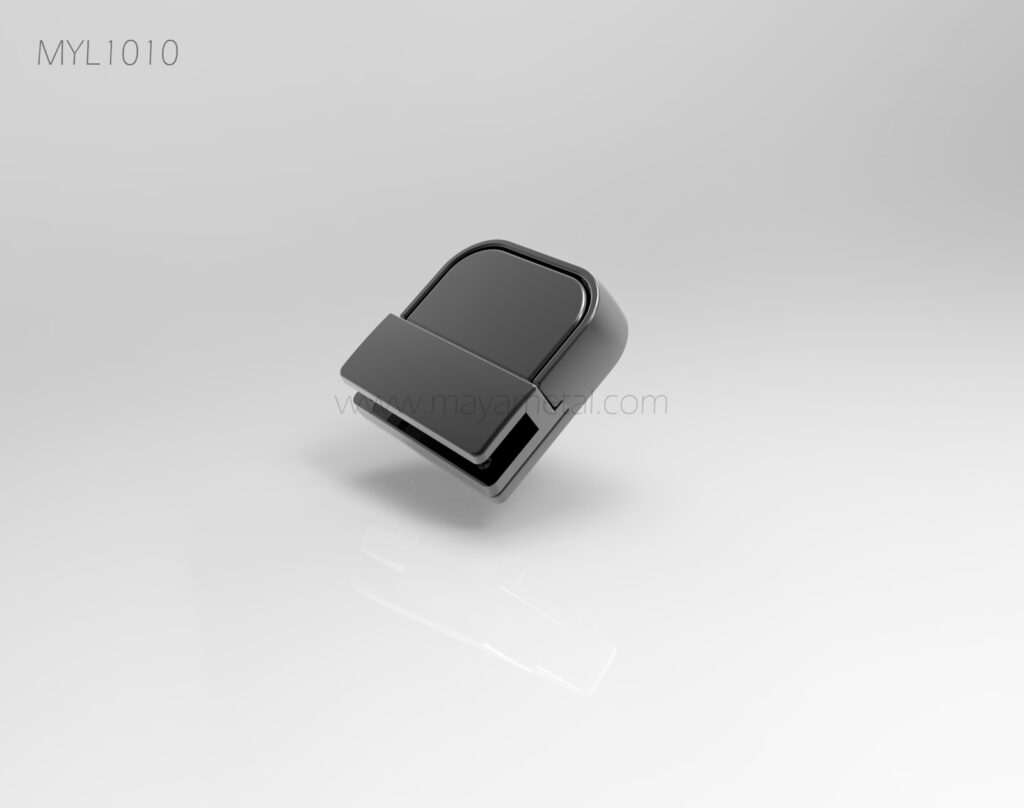
Magnetic Snap or Turn Lock? The Short Answer
Choose a magnetic snap when the design calls for fast one-handed access, a clean hidden look and lower cost — typical for totes, casual shoulder bags and interior pockets. Choose a turn lock when the bag needs positive, audible closure security and a premium focal point — typical for structured flap bags, crossbodies and briefcases. Maya Metal manufactures both magnetic snaps and bag locks and turn locks in brass and stainless steel, with matched finishes across the full hardware set.
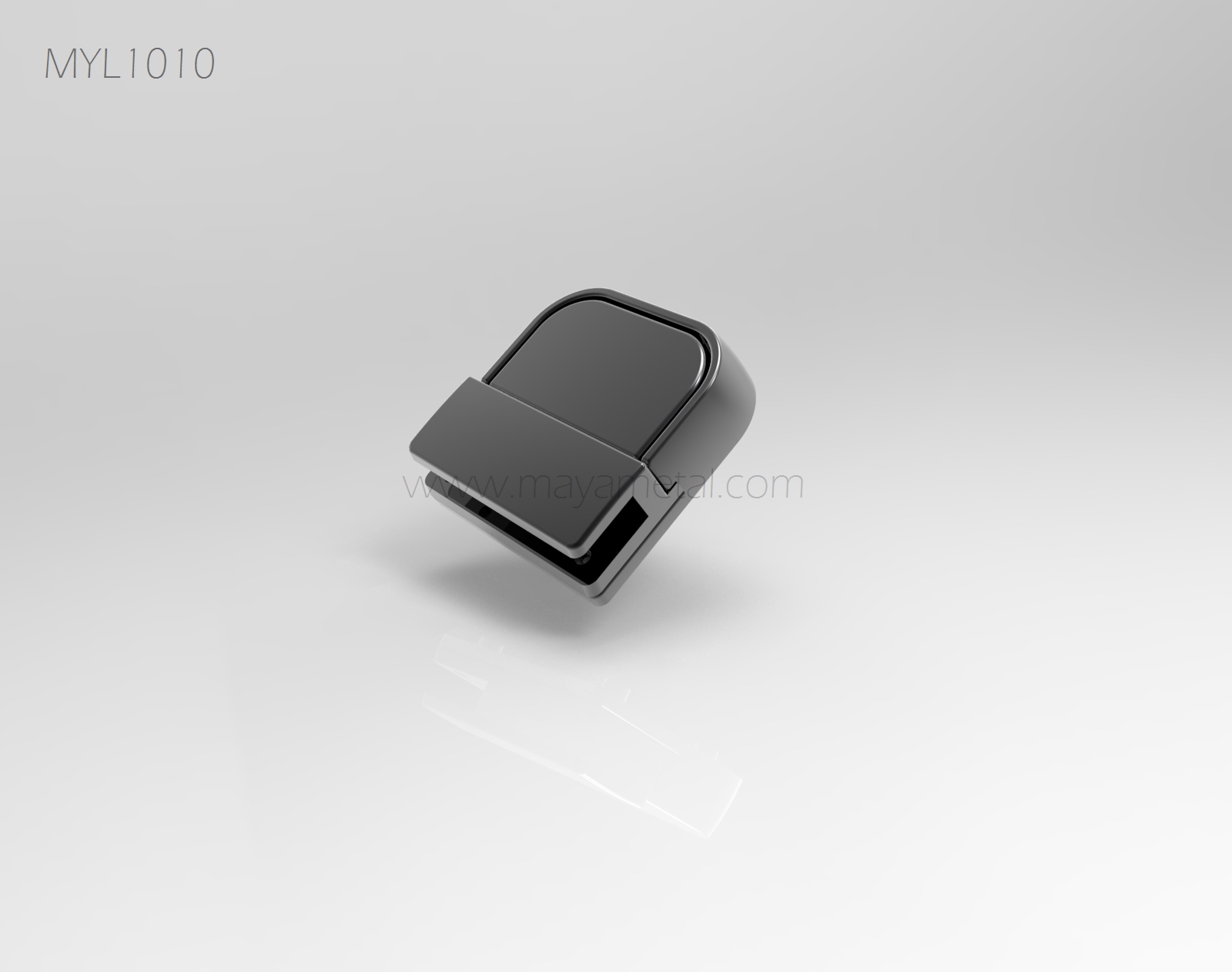
What Is a Magnetic Snap Closure?
A magnetic snap is a two-part closure: a male half with a raised stud and a female half with a recessed socket, each containing a magnet. When the two halves come close, they self-align and click together. The closure hides inside the flap or top edge of the bag, so nothing interrupts the exterior design.
Common constructions include:
- Prong-backed snaps — metal prongs fold over a backing washer; the standard choice for flaps and linings
- Sew-in magnets — flat magnets in a PVC or fabric sleeve, stitched into the lining; invisible from outside
- Rivet-backed snaps — attached with a rivet cap for leather goods where a decorative stud is acceptable
Holding force depends on magnet grade and diameter. Thin, large-diameter magnets spread force over a wider area and open smoothly; small thick magnets concentrate force and feel snappier. For buyers, the practical check is simple: load the bag as the end customer would, then open and close the flap repeatedly — the snap should hold under a normal carry load but release with a deliberate pull.
What Is a Turn Lock?
A turn lock (also called a twist lock) is a mechanical closure: a turnable button or T-bar mounted on the flap rotates into a receiving plate on the bag body. Turning the button 90 degrees locks or releases the flap. The closure is fully visible, so it doubles as a design feature — many iconic handbag styles are recognized by their lock.
A typical turn lock set includes:
- The turn button with its front plate, mounted through the flap
- The receiving plate or catch, mounted on the bag body
- Screws, rivets or prongs for attachment, depending on the model
Because the parts interlock mechanically, a turn lock stays closed even when the bag is dropped or overfilled. That positive engagement is its core advantage over magnets.
How Do They Compare on Security and Durability?
Security. A turn lock wins outright. It cannot open accidentally — the button must be deliberately rotated. A magnetic snap can release if the bag is overloaded, if the flap is lifted at an angle, or if contents press against the opening. For crossbody bags worn in crowds, or bags carrying valuables, a mechanical lock is the safer specification.
Durability. Both closures are reliable when properly made, but they fail differently. Magnetic snaps lose holding force only if the magnet is damaged or corrodes; the more common failure is prongs tearing through thin fabric or leather that was not reinforced. Turn locks have moving parts, so the pivot can loosen over years of use — good designs use a fitted washer and a screw post rather than thin prongs to spread the load. In both cases, reinforcement material behind the closure matters as much as the closure itself.
User experience. Magnets close themselves — the user just drops the flap. Turn locks demand two actions (align, then twist), which feels slower but gives a satisfying, quality cue that many premium brands deliberately want.
Which Closure Costs Less?
A magnetic snap is almost always the cheaper option. It has two simple stamped shells and a pair of magnets, installs in seconds by folding prongs, and needs no alignment between separate panels beyond a marked position.
A turn lock involves more metal, tighter tolerances and a moving pivot, so unit cost and installation time are both higher. Custom shapes or logo-engraved lock plates also require dedicated tooling. For a startup watching unit economics, magnets keep the bill of materials lean; for a premium line, the lock’s cost is usually justified by perceived value — customers read a solid metal lock as a quality signal.
How Do You Choose the Right Closure for Your Bag Design?
Work through these questions in order:
- What does the bag carry, and where is it worn? Valuables and crowded environments point to a turn lock or a zip top; everyday totes and shoppers live comfortably with magnets.
- Is the closure part of the design statement? If the flap should read clean and minimal, hide a magnet inside. If the hardware is the jewelry of the bag, a turn lock gives you a focal point that can carry an engraved logo.
- Can the material take the attachment? Thin fabrics and soft leathers need reinforcement behind prongs; structured flaps with a firm interlining support screw-mounted locks well.
- Does it match the rest of the hardware set? Whatever you choose, specify the same finish — polished gold, brushed gunmetal, PVD — across closures, rings, chains and logo plates so the set reads as one family.
Many designs combine both: a turn lock as the visible closure on the flap, with hidden magnets helping the flap self-locate before the lock engages.
What to Check Before Ordering Closures
Before approving closures for mass production, check:
- Holding force or locking action on the real bag, loaded to realistic weight — not on a loose sample card
- Attachment strength: prongs fully folded with a backing washer, or screws torqued on a reinforced panel
- Magnet plating and corrosion resistance (especially for sew-in magnets that go through washing or humid climates)
- Smooth rotation of turn lock buttons with no grinding or wobble across at least a few hundred open-close cycles
- Finish match against the approved master sample and the rest of the hardware set
- Edge quality — no sharp prong tips or plate edges that can cut lining fabric
If you are specifying closures for a new style, send us the flap construction and expected load — our engineering team will recommend a snap strength or lock size and produce samples for fit testing.

