
Chain Hardware in a Nutshell
Handbag chain hardware should be selected by link shape, link size, chain length, connector type, weight, comfort, material and finish. Chain hardware must look good, move smoothly and avoid scratching the bag or the wearer. Maya Metal manufactures custom handbag chains in stainless steel and brass for B2B OEM and ODM handbag and leather goods projects.
What Are Handbag Chains Used For?
Handbag chains serve two roles at once: they are functional straps that carry the bag, and, within the wider handbag hardware category overview, they are visible design elements that strongly influence the bag's style. A curb-link chain reads classic, a chunky oval link reads contemporary, and a fine cable chain reads delicate. Many designs also combine chain sections with leather shoulder pads to balance appearance and comfort.
Beyond shoulder straps, chains appear as decorative trims, flap weights, handle extensions and convertible strap systems. Each use case changes the engineering requirements: a load-bearing shoulder strap needs verified strength, while a decorative trim chain can prioritize appearance and drape.
How Does Link Design Affect a Chain?
Link design determines how the chain looks, drapes, flexes and wears. Common link families include curb, cable, rolo, figaro and oval links, each with different visual weight and movement characteristics. Flatter links tend to lie smoothly against the body, while rounder links create more texture but can twist.
Link size must be decided together with bag scale. Oversized links can overwhelm a small flap bag, while fine links can disappear on a large tote. Buyers should also check how links interact at the hinge points: links that pinch, kink or catch on each other will twist the strap in use and can tangle in packing. Sample chains should be flexed and twisted by hand to confirm smooth articulation before approval.
Why Do Weight and Comfort Matter for Chain Straps?
Chain straps are carried against the shoulder, often for hours. A chain that is too heavy makes the bag uncomfortable regardless of how good it looks, and thin sharp-edged links can dig into the shoulder or catch on knitwear and hair.
Weight is driven by link size, wire thickness, chain length and base material. Stainless steel and brass chains both have substantial feel; the difference shows in total strap weight once length and link size are fixed. Buyers should weigh the complete strap assembly, including connectors, and test it on the loaded bag. Where comfort is a concern, a leather or fabric shoulder section integrated into the chain is a common solution.
How Should Chains Connect to the Bag?
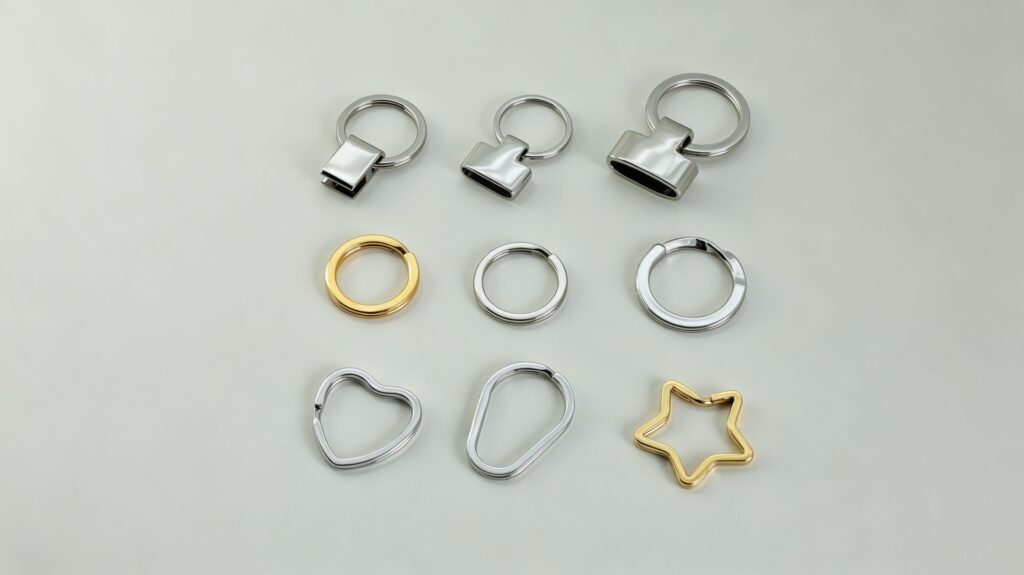
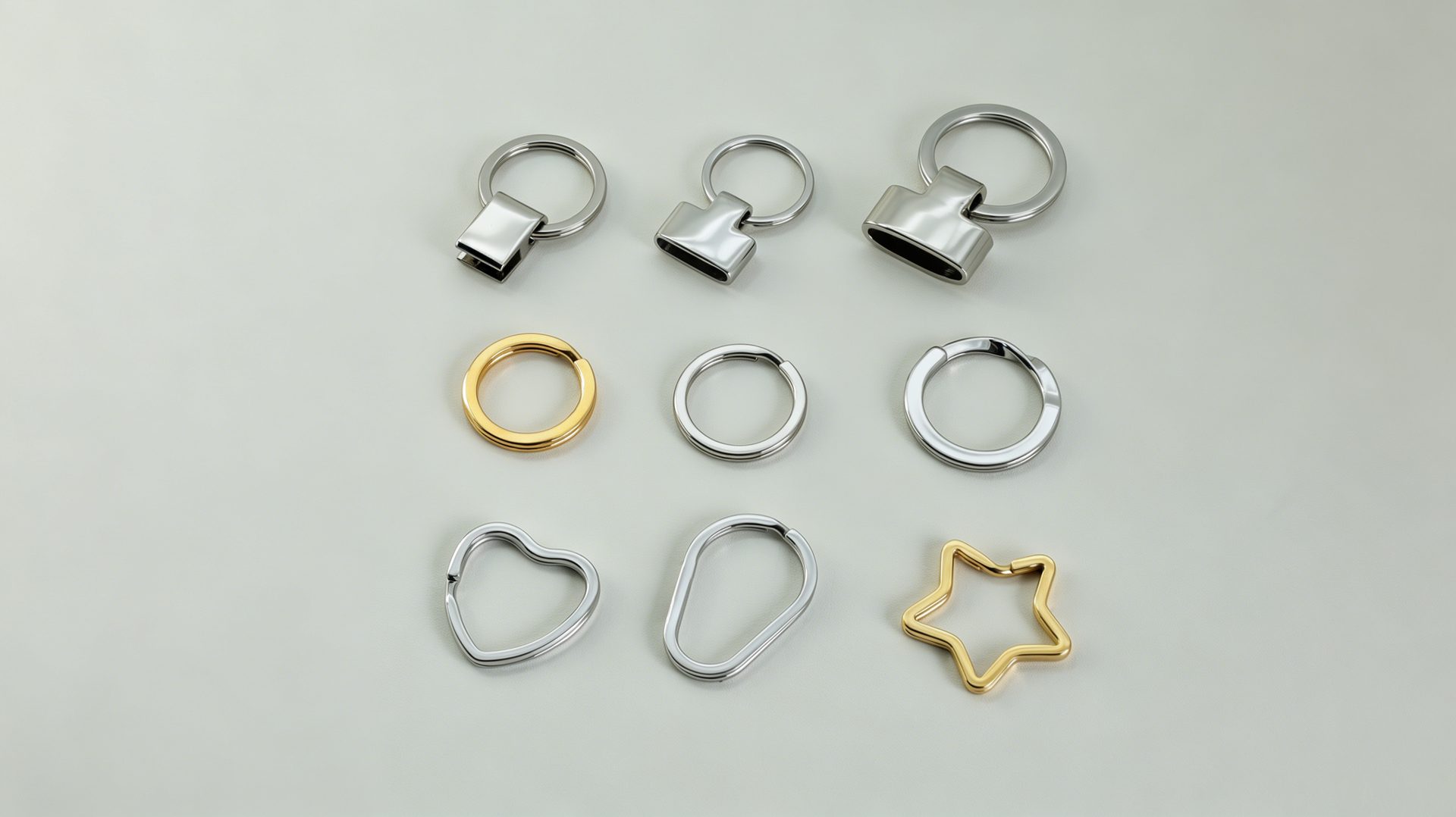
Chains usually connect to the bag through connectors such as snap hooks and swivel hooks for chain straps, jump rings or dedicated end fittings attached to D rings or eyelets on the bag body. Connector compatibility must be checked in both directions: the connector must fit the end link of the chain, and it must fit the receiving ring or eyelet on the bag.
Connection points are high-wear areas. The end links and connectors carry the full load of the bag and see constant movement, so they should be checked for gate function, rotation smoothness and pull-out security. Mismatched sizes here cause sagging, twisting and premature wear.
What Finish Risks Apply to Chain Hardware?
Chains have far more surface area and contact points than other hardware, which makes finish quality and durability harder to control across all chain finish options. Every link rubs against its neighbors in use, so plated finishes can show friction wear at the link contact points over time. Polished finishes show scratches more readily, and dark finishes such as black or gunmetal show abrasion as bright spots.
Color consistency across the chain and the rest of the hardware set is another risk. The chain, hooks, rings and lock should be compared together under the same lighting before approval, because even small tone differences are visible when the parts sit next to each other on one bag.
How Should Chains Be Packed for Shipment?
Chains tangle, knot and scratch each other in transit if packed loosely. Good packing practice includes laying chains straight or coiling them consistently, separating individual chains in sleeves or pouches, and keeping chain away from other metal parts that could rub against it.
Scratch-sensitive finishes need individual protective wrapping. Buyers should define packing requirements in the purchase specification, including whether chains ship attached to connectors or separately, and how bulk quantities are grouped.

