
The Sweat Test in a Nutshell
An artificial sweat test exposes metal bag hardware to a formulated acidic or alkaline solution that mimics human perspiration, checking whether the finish discolors, pits or peels where hands touch it — handles, clasps, zipper pullers and chain straps. Sweat is more chemically aggressive to plated finishes than rain or humidity, which is why a part can pass a salt spray test and still fail in customers’ hands within a season. Specify the test method (commonly ISO 3160-2 or an agreed in-house equivalent), the solution type, duration and acceptance criteria, always on the production finish. Maya Metal runs artificial sweat testing inside its quality assurance process for all skin-contact hardware programs.
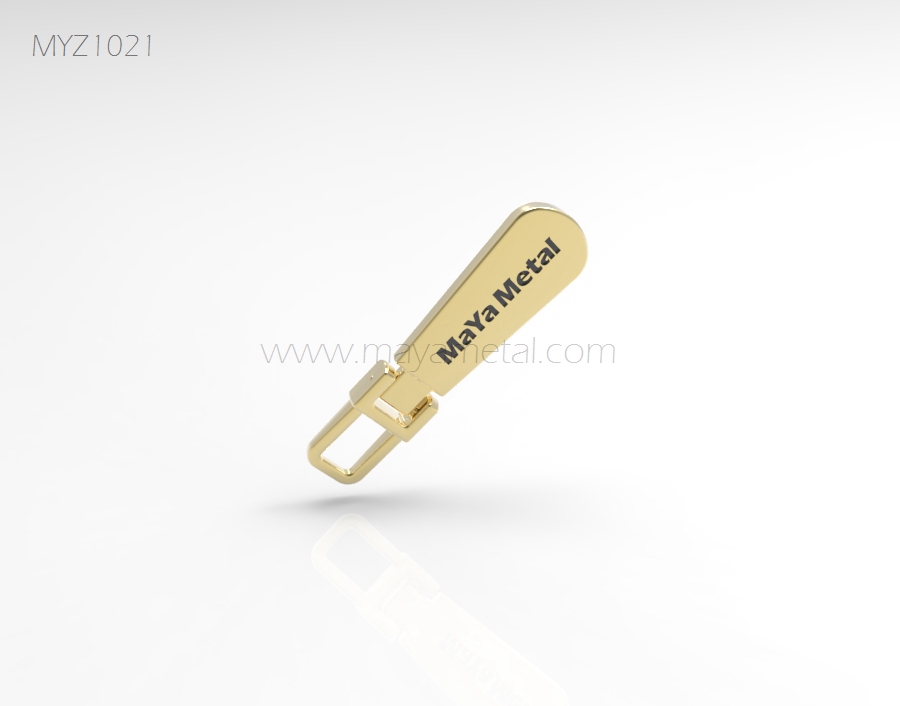
Why Does Sweat Attack Hardware Finishes So Hard?
Human sweat is a warm, salty, mildly acidic cocktail — sodium chloride, lactic acid, urea and fatty acids — delivered repeatedly to the same touch points and left to dry there. Each drying cycle concentrates the salts and acids, working them into microscopic pores in the plating. Nickel undercoats and thin gold layers are especially vulnerable: once sweat reaches the nickel through a porous top layer, corrosion products creep sideways and the finish lifts or darkens in patches.
The failure pattern is distinctive: discoloration or peeling concentrated exactly where fingers rest — the top of a handle, the face of a clasp button, the last links of a chain where the hand steadies the bag. If your warranty returns show finish damage mapped to touch points, sweat, not abrasion or weather, is the prime suspect.
How Does the Artificial Sweat Test Work?
The lab prepares a synthetic perspiration solution — acidic (around pH 4.7) for the common test, with alkaline variants for programs that need both — and applies it to the hardware surface or soaks a fabric patch that is wrapped around the part. The assembly then sits in a controlled oven, typically at 40 °C, for a set duration, simulating repeated skin contact in accelerated form. After exposure, the part is rinsed, dried and inspected for discoloration, staining, pitting, blistering and adhesion loss.
Results are comparative, like every accelerated test: the value is in ranking candidate finish stacks against each other and against a known-good master, not in predicting an exact service life. For the companion corrosion test, see our salt spray testing guide.
Which Finishes Survive Sweat — and Which Fail?
- PVD finishes on 304 stainless steel — the strongest performers: the ceramic-hard film is chemically inert and effectively non-porous, so sweat has no pathway to the substrate
- Well-built electroplated stacks — adequate for most programs when the top layer is thick enough and sealed with a quality lacquer or e-coat; the weak points are thin top coats and unsealed pores
- Flash-plated and unlacquered finishes — the usual failures; thin decorative plating over nickel, left unsealed, is exactly what sweat is built to defeat
- Antique and blackened finishes — chemically darkened layers need their protective top coat intact; once it wears at a touch point, sweat drives the underlying tone uneven and the part looks blotchy
What Should a Sweat Test Specification Include?
A testable sweat specification states:
- Method — the standard (ISO 3160-2 is the common reference for articles in skin contact) or a documented in-house equivalent both labs can reproduce
- Solution type — acidic, alkaline or both, matched to your market’s expectations
- Duration and temperature — exposure hours at the agreed oven temperature, stated per component group
- Acceptance criteria — e.g. “no discoloration, staining or coating lift visible at 30 cm under daylight after the test”, with touch points named
- Tested state — the production finish on the actual base metal, tested after any abrasion or cycle testing so the sweat attacks a worn surface, not a fresh one
- Coverage — every skin-contact component: handles, clasps, pullers, chain straps and strap rings
Programs selling into the EU should also reconcile sweat-related finishes with their nickel-free and REACH compliance requirements, since nickel release and sweat corrosion are adjacent risks at the same touch points.
Sweat Test Spec: Final Checks
Before approving hardware for a skin-contact-heavy design, check:
- Sweat test results exist for the exact base-metal-plus-finish stack, not a generic finish name
- Touch-point components are all covered — a passing lock does not certify the chain strap
- The test was run on production-batch samples, ideally after cycle testing so worn surfaces were exposed
- Acceptance criteria name the failure modes: discoloration, staining, pitting, blistering, adhesion loss
- Top-coat policy (lacquer or e-coat) is stated, since it is the main sweat defense on plated finishes
- Warranty-return finish complaints are mapped to touch points and fed back into the next finish spec
Send us your component list and target markets — our team will recommend sweat-resistant finish stacks, run artificial sweat and salt spray tests on your actual parts and include the reports with approval samples.

