
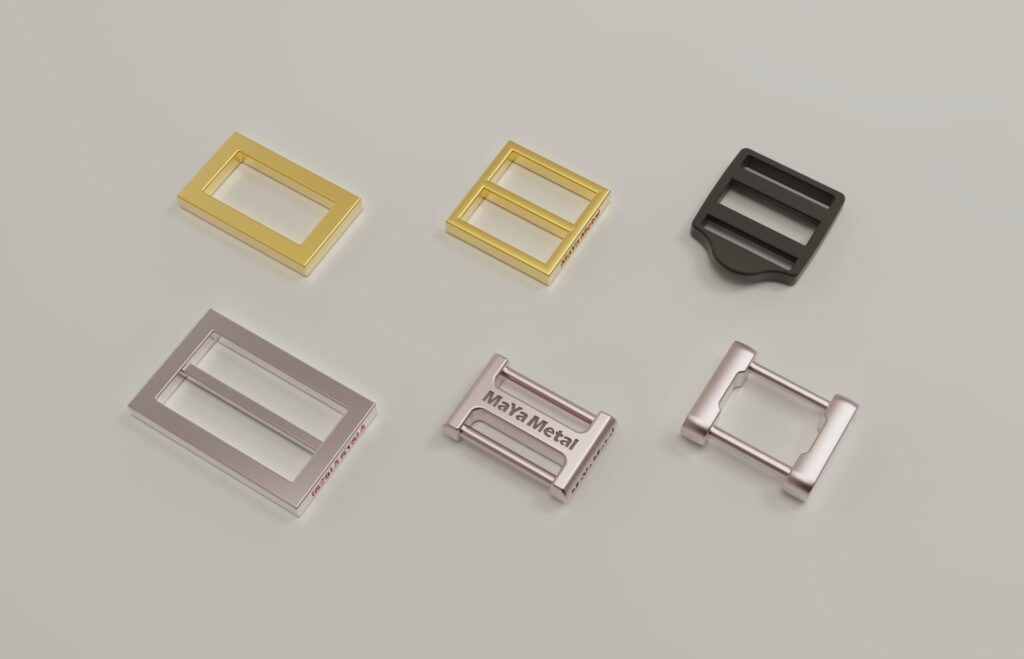
Color Consistency at a Glance
Color consistency in plated bag hardware is controlled through approved master samples, stable material preparation, process control, batch inspection and clear acceptance standards. Locks, rings, hooks, chains, feet and buckles should be compared together when they appear on the same bag, because even small tone differences become obvious once the parts sit side by side.
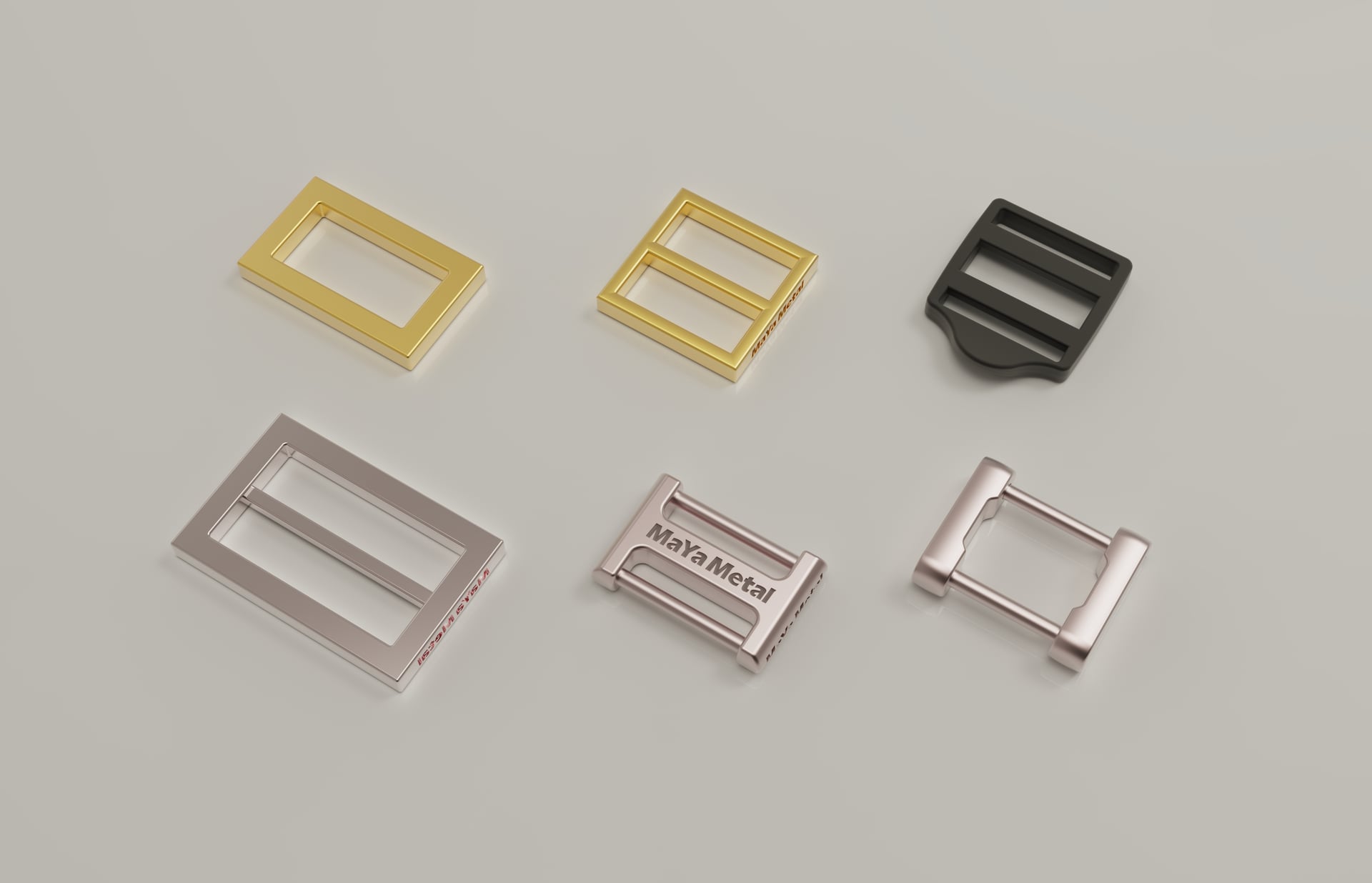
Why Metal Color Varies
Plated color is not a single fixed value — it is the result of the base material, surface preparation, plating bath chemistry, current density, time in the bath and the final top coat. A small change in any of these variables can shift a gold-tone finish warmer or cooler, or make a gunmetal finish lighter or darker.
Base material is a common hidden cause. The same gold plating looks different over brass than over zinc alloy or stainless steel, because the underlying metal changes how the plated layer reflects light. Polishing differences have a similar effect: a highly polished surface reflects more and can look lighter than a slightly satin surface with the identical plating, so color should be judged on the actual bag hardware surface finish options being ordered, not on a different texture.
Batch-to-batch variation is normal in any plating operation, including both conventional electroplating and the vacuum processes covered in our PVD coating vs electroplating comparison. The goal for buyers is not theoretical perfection but a defined, agreed tolerance — a range within which color is acceptable — established before production starts.
Master Sample Approval
The foundation of color control is an approved master sample: a physical part that both buyer and manufacturer agree represents the target color. Screen images and color codes are useful references, but metal finishes interact with light in ways a monitor cannot reproduce, so a physical standard is essential.
Once approved, the master sample should be protected from handling, sunlight and tarnish, because a faded or scratched standard no longer represents the target. Many buyers keep one master sample and ask the manufacturer to keep a matching duplicate on file for production comparison.
The master sample defines the center of the tolerance range. For critical projects, buyers may also define "limit samples" — an acceptable light limit and dark limit — so inspectors can judge borderline parts objectively instead of arguing over individual taste.
Lighting and Comparison
Metal color must be judged under consistent, agreed lighting. A gold-tone lock that matches under warm retail lighting can look mismatched under cool daylight, and a gunmetal finish can look almost black in dim light and silvery-grey in bright sun.
Standard practice is to compare parts under a neutral, daylight-balanced light source, with the master sample placed directly next to the production part at the same angle. Rotating both parts together matters too — brushed and polished surfaces change appearance with viewing angle, so a match at one angle should also hold at others.
Buyers should state the comparison conditions in the order documents: the light source, the viewing distance and whether the judgment is visual-only or supported by measurement. Writing this down prevents disputes when a shipment is inspected in a different environment than the sample room.
Multi-Component Matching
A handbag rarely carries one piece of hardware. Custom bag locks, D rings, hooks, chains, buckles, feet and logo plates often appear together, and the eye compares them automatically. Matching within one part type is not enough — the whole hardware set must read as one color family.
This is harder than it sounds because different parts often use different base materials and processes. A brass lock, a stainless steel D ring and a zinc alloy chain may all be "gold-tone," yet each reaches that tone through a different route. Matching them requires deliberate cross-part comparison during sampling, not just separate approvals per component.
The practical approach is to assemble a full hardware set sample — every metal component that will appear on the bag — and approve the set together under agreed lighting. Production parts should then be checked against the approved set, not only against individual component samples.
Batch Control
Color control continues through production, not just at approval. Reputable process control includes checking each plating batch against the master sample, keeping bath parameters stable, and quarantining any batch that drifts outside the agreed tolerance before it reaches assembly or packing.
Buyers can support this by asking for pre-shipment hardware inspection and quality control that includes a color check against the master sample or limit samples, and by requesting that mixed lots are not combined in one shipment without confirmation. If a re-order happens months later, referencing the retained master sample — rather than memory or old photos — keeps the new batch aligned with the original.
For long-running programs, it is worth re-approving the standard periodically, since plating chemistry, operators and equipment change over time. A short re-approval step is far cheaper than rejecting a full production run over a tone shift.

