
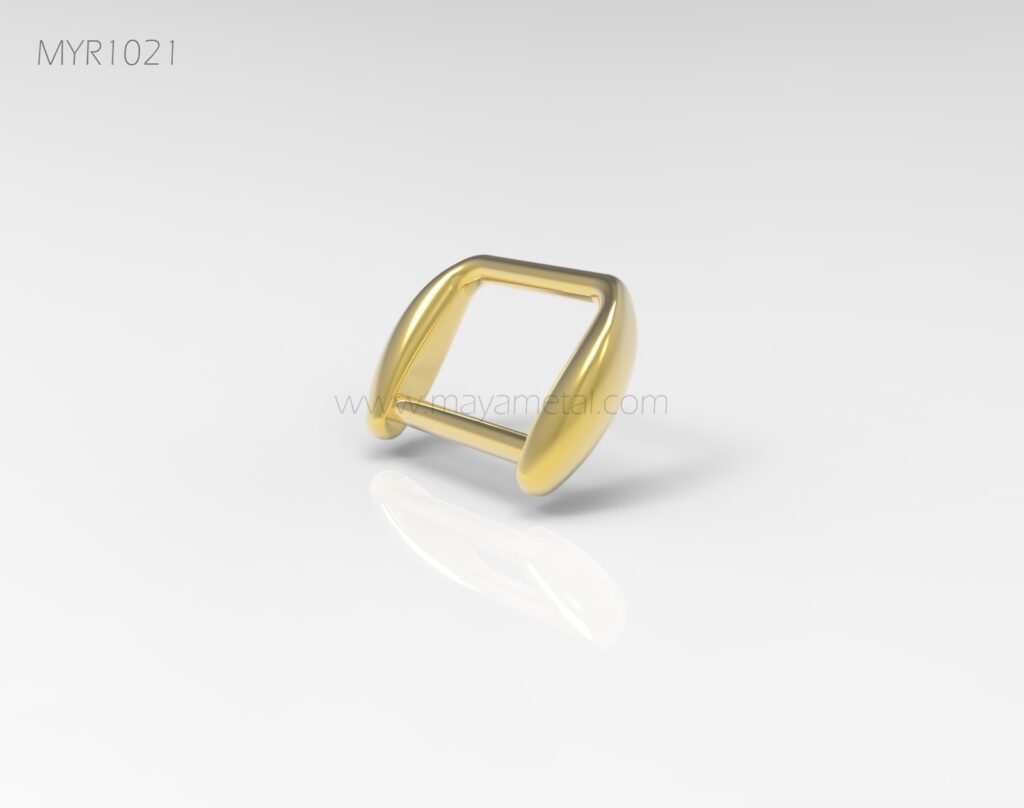
The Manufacturing Process in a Nutshell
Custom bag hardware manufacturing usually includes drawing review, material selection, structure optimization, sampling, tooling when required, production, surface finishing, inspection and packing. The exact process depends on product type, material, geometry and finish — a cast brass lock follows a different route than a stainless steel D ring. Maya Metal manufactures custom stainless steel and brass hardware for handbags, leather goods and luggage through OEM/ODM projects built around these stages — see the OEM bag hardware manufacturing process for how an OEM order moves from inquiry to delivery.
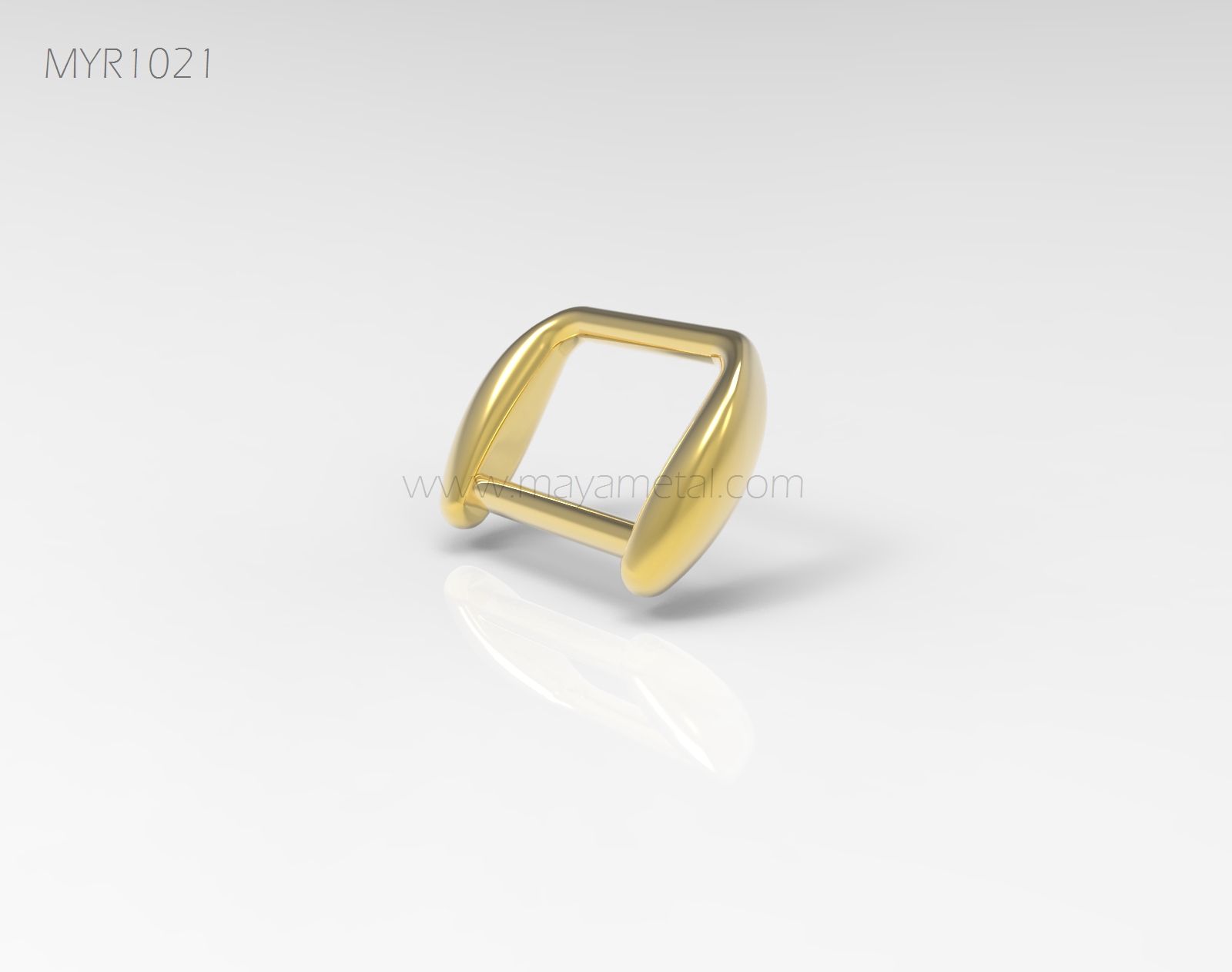
How Does a Custom Hardware Project Get Reviewed?
Every custom project starts with the buyer's inputs: drawings, 3D files, physical samples, product photos or a reference bag. The manufacturer reviews structure, dimensions, assembly method, logo placement and intended use to confirm the part can be made reliably and economically.
This review often produces structure optimization suggestions — a thicker wall where a casting might sink, a radius where a sharp corner would crack in forming, or an attachment change that simplifies installation on the bag. Buyers should expect questions at this stage; answering them early is cheaper than revising tooling later.
How Is the Material Selected?
Material selection balances function, finish target and budget. Stainless steel is often chosen for corrosion resistance and durability on moving or exposed parts such as D rings, hooks and buckles. Brass is often chosen for premium weight, polishability and plated decorative finishes on locks, buckles and visible details.
The choice also affects the production route. Some geometries suit stamping or wire forming, others suit casting or machining, and each route behaves differently in stainless steel versus brass. Material and process should be decided together, not separately — the site's materials overview covers how the two base metals compare.
How Does Sampling Work?
Sampling converts the reviewed design into physical parts for approval. Samples confirm dimensions, fit on the real bag or strap, movement of locks and hooks, finish color, logo detail and edge quality before any production commitment.
Buyers should test samples under real conditions: install them on the actual bag, cycle moving parts, and compare finish against the target under consistent lighting. Feedback should be documented in writing, because each revision can affect tooling, cost, MOQ and lead time.
When Is Tooling Required?
Tooling is required when a part needs a dedicated mold, die or fixture — typical for cast locks, stamped plates, formed rings and engraved logo details. Standard or near-standard shapes may need little or no new tooling, which usually lowers MOQ and shortens development time.
Tooling decisions are locked in at sample approval. Changing structure after tooling is made usually means modifying or replacing the tool, so buyers should treat the approved sample as the final structural confirmation.
What Happens During Production?
Production follows the approved sample and specification. Depending on the part, this can involve casting, stamping, cutting, forming, machining, welding, polishing and assembly. Moving parts such as locks, hinges and swivel hooks are assembled and function-checked before finishing, because mechanism problems are harder to correct afterward.
Batch production is run against the approved standard, not against memory. First-article confirmation at the start of a batch verifies that setup matches the approved sample before volume output continues.
How Is Surface Finishing Applied?
Surface finishing gives the part its final color and protection: polishing, brushing, electroplating, PVD coating, antique effects or matte finishes, depending on material and design. Finishing results depend on surface preparation — a poorly polished base shows through any coating.
Because finish can vary between batches, production finish is compared against an approved master sample. For hardware sets that appear together on one bag, components are checked together for color consistency. See surface finishes for the main options and their characteristics.
What Gets Inspected Before Packing?
Inspection covers dimensions against the drawing, surface and finish quality against the master sample, function of moving parts, logo detail and assembly security. Defect classification — what is critical, major or minor — follows the criteria agreed during sample approval.
For luxury projects, inspection also covers cosmetic zones: A-surfaces visible on the installed bag get stricter limits than hidden faces. Inspection records support traceability if a question arises after shipment.
How Is Hardware Packed for Export?
Packing protects the finish the factory just created. Polished, plated and dark finishes typically need individual film or tissue wrapping, compartment separation and cartons that prevent movement and metal-on-metal contact.
Export packing also covers labeling by SKU and finish, quantity per pack, and protection against moisture during sea freight. The packing method should be part of the agreed specification — Maya Metal's quality assurance and capabilities pages describe how inspection and packing fit into the order process.

