
Choosing a Luggage Hardware Maker, Briefly
A luggage hardware manufacturer should be evaluated by product range, functional testing, material capability, finish control, packing and export readiness, which are also the core criteria behind how brands evaluate hardware suppliers in general. Luggage hardware often needs stronger checks than decorative handbag hardware because travel goods face repeated handling, impacts and heavy loads. Maya Metal manufactures custom stainless steel and brass hardware for luggage, handbags and leather goods on an OEM and ODM basis.
What Hardware Categories Does Luggage Use?
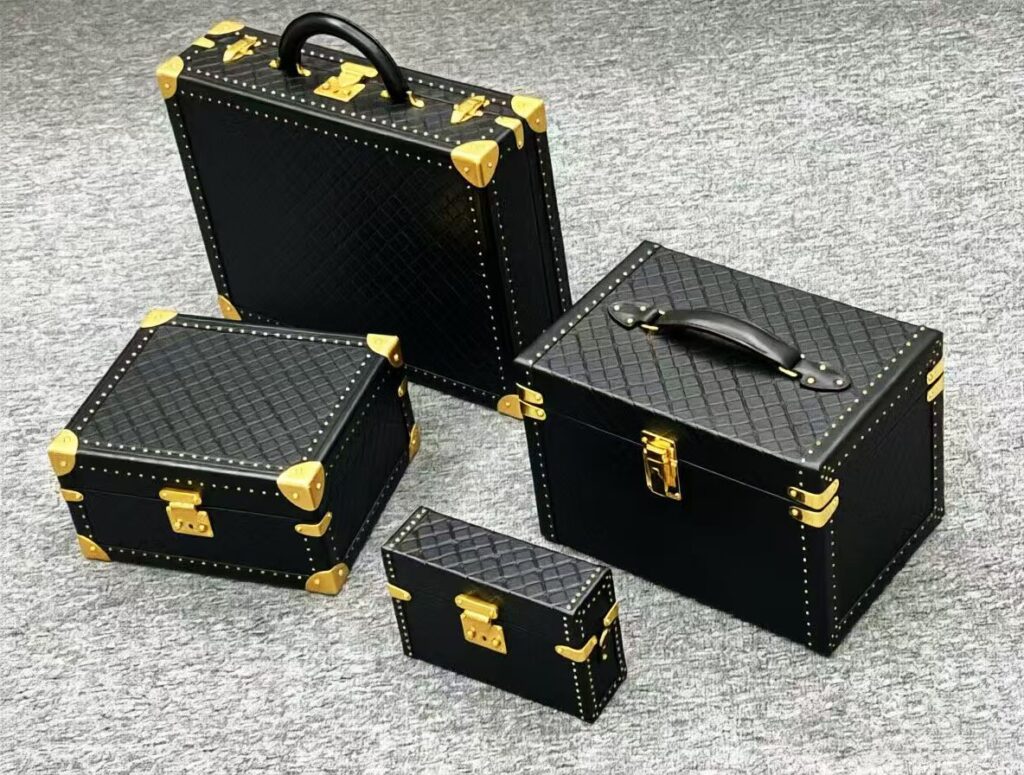
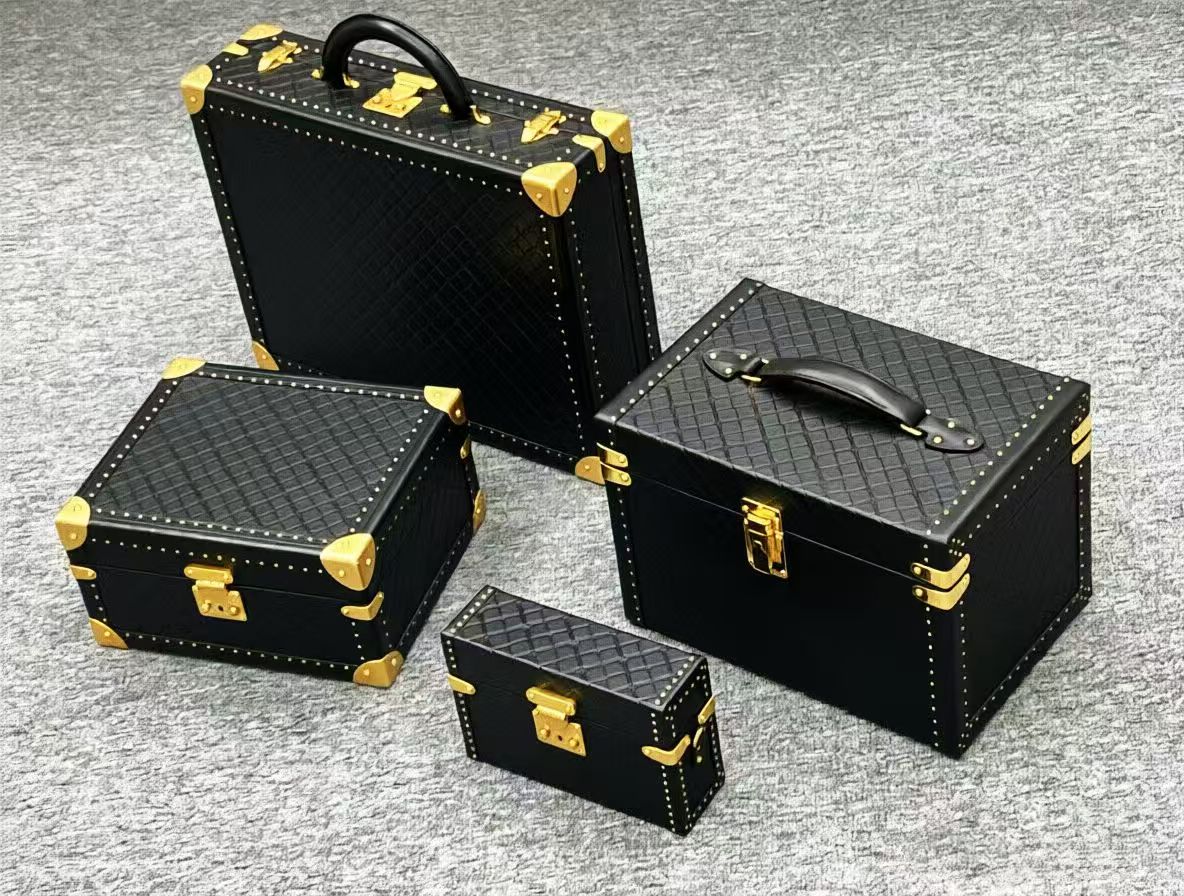
Luggage uses a wider and more functional hardware set than most handbags. Core categories include locks and latches, handle fittings and grips, D rings and strap anchors, buckles and adjusters, snap hooks, chains, corner protectors, feet and studs, logo plates and zipper pullers. Trunk and case styles add trunk and case hardware such as hinges, clasps and stay mechanisms.
Each category has a different risk profile. A logo plate is judged mainly on appearance, while a strap anchor or handle fitting is a safety-relevant part whose failure can drop a loaded case. A capable manufacturer should be able to discuss each category's function, not just quote dimensions.
What Functional Requirements Matter Most for Luggage Hardware?
Travel goods are dropped, dragged, stacked and overloaded. Hardware that performs on luggage must survive repeated cycles of load, impact and movement that decorative hardware never sees.
Buyers should define functional expectations explicitly: strap anchors and handle fittings should be checked for pull and load resistance, locks and latches for repeated open-close cycles, and moving parts for smooth function after cycling. Attachment strength is as important as part strength, since many luggage failures happen where hardware meets the case material rather than in the metal itself. Test methods and acceptance criteria should be agreed in writing before production.
Which Materials Suit Luggage Hardware?
Stainless steel is often suitable for luggage hardware because it combines strength with corrosion resistance, which matters for parts exposed to weather, airport handling and humid storage. D rings, hooks, buckles, strap parts and exposed fittings are common stainless steel applications.
Brass suits luggage designs that want premium weight and decorative plated finishes, such as locks, clasps and trunk-style details on high-end cases. Material choice should reflect where the part sits on the product, how much load it carries and how the finish system protects it over time.
How Should Finish Be Controlled on Luggage Hardware?
Luggage hardware finishes face abrasion from conveyor belts, car trunks and overhead bins, so durability expectations should be set higher than for purely decorative parts. Polished, plated, black and PVD finishes each show wear differently, and the acceptable wear level should be defined before production rather than after complaints arrive.
Finish consistency matters across the full hardware set on one case. Locks, pullers, rings and logo plates should be approved together as a matched set under the same lighting, and buyers should approve physical samples rather than photos before committing to mass production.
What Quality Checks Should Buyers Require?
A luggage hardware quality program should cover incoming material confirmation, dimensional inspection against approved drawings or samples, functional testing appropriate to each part, finish inspection against master samples and pre-shipment inspection with defined defect classifications.
Buyers should ask how the manufacturer's hardware quality control and inspection handles batch-to-batch consistency, since luggage lines reorder hardware across seasons. Master samples, documented inspection criteria and retained reference samples help keep repeat orders consistent with the original approval.
Luggage Hardware RFQ Checklist
Knowing how to prepare a hardware RFQ helps the manufacturer quote accurately and shortens development. Include:
- Drawings, samples or clear photos of each part, with dimensions and tolerances
- Material specification and finish requirement, with reference samples where possible
- Logo artwork and placement requirements
- Quantity per part and expected order frequency
- Functional and testing requirements, including load, cycle and corrosion expectations
- Packing requirements and destination market
- Target dates for samples and production
MOQ depends on product type, material, finish, tooling and quantity. Lead time is confirmed after drawing review and sample requirements are defined.

