
OEM vs ODM: The Short Version
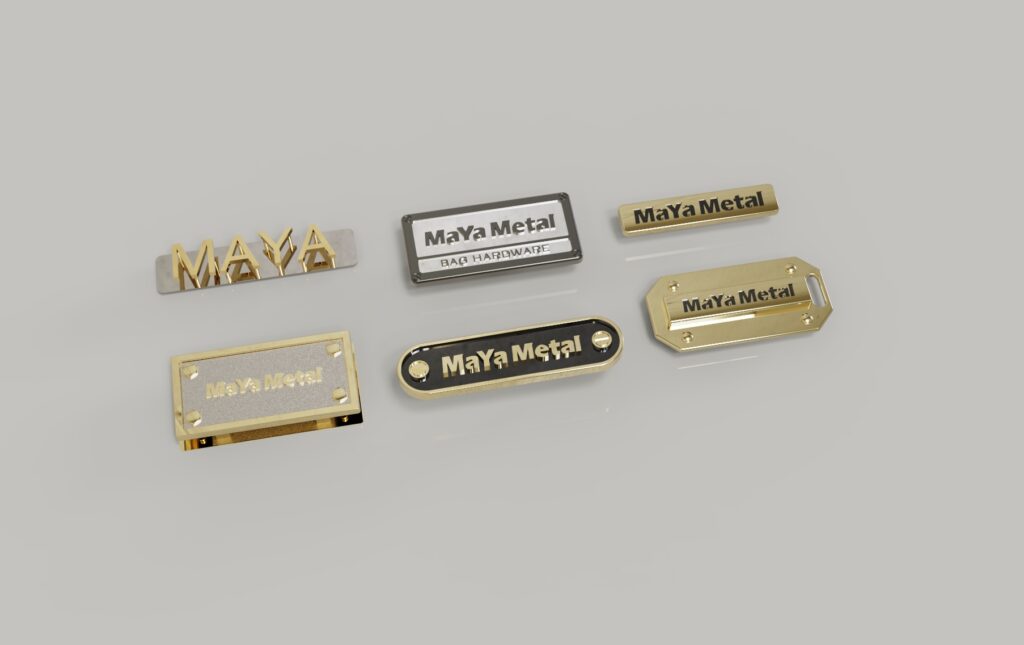
OEM bag hardware manufacturing starts with a buyer's drawings, samples or specifications and turns them into approved metal hardware for production. A well-run OEM project confirms material, size, structure, finish, logo, MOQ, sampling and inspection criteria before mass production begins. Maya Metal works as an OEM/ODM manufacturer of custom handbag hardware in stainless steel and brass for handbags, leather goods and luggage.
What Is the Difference Between OEM and ODM Bag Hardware?
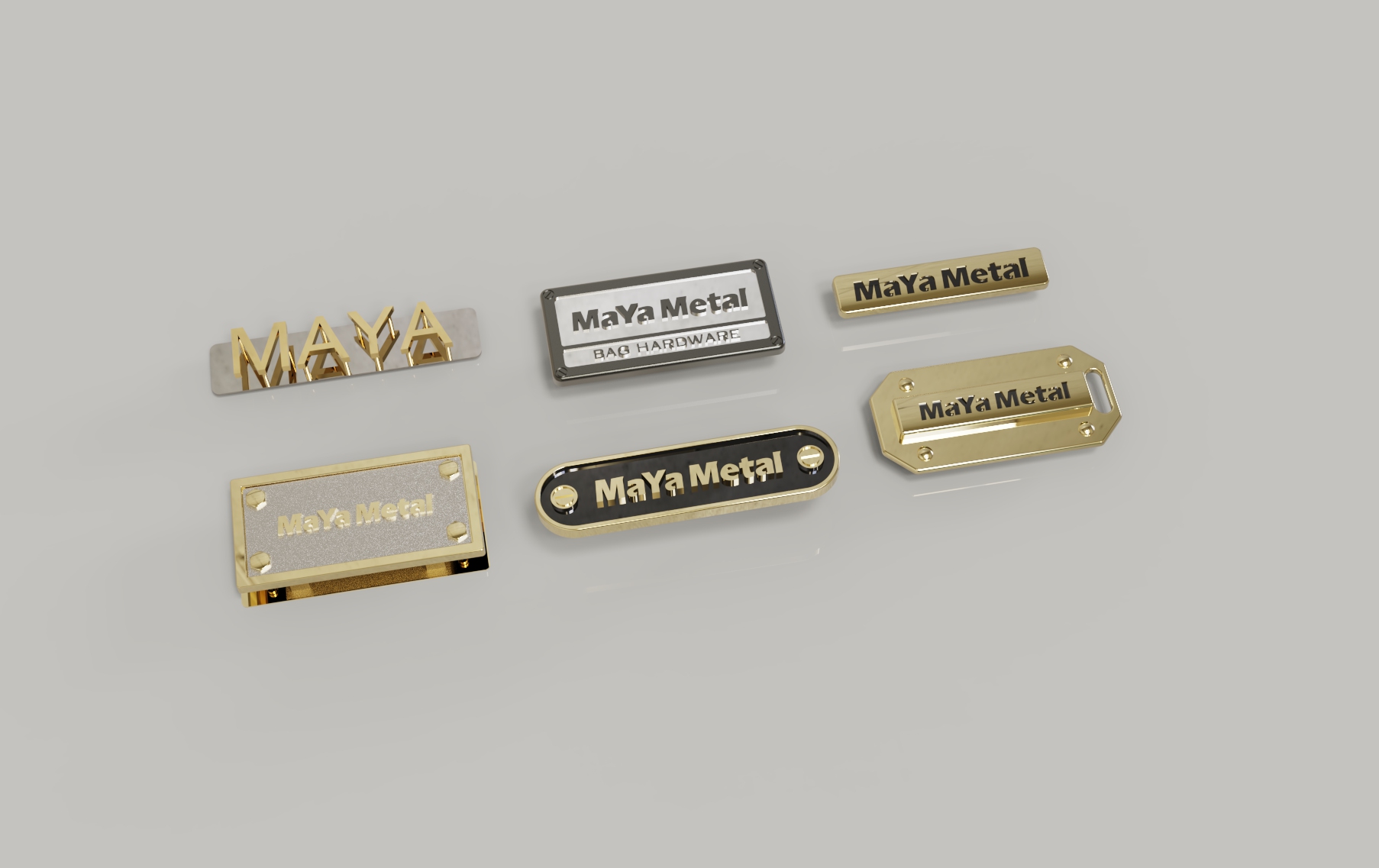
In an OEM project, the buyer owns the design. The buyer provides drawings, 3D files, samples or a detailed specification, and the manufacturer produces the hardware to that definition. Responsibility for design correctness sits with the buyer; responsibility for manufacturing accuracy sits with the manufacturer.
In an ODM project, the manufacturer contributes design or development work — proposing structures, adapting existing molds, or engineering a concept the buyer describes. Many real projects blend the two: a buyer-designed lock that the manufacturer optimizes for casting, or a standard ring modified with a custom logo.
Buyers should state clearly at the start which model applies, because it affects tooling ownership, development cost, MOQ and how design changes are handled.
What Inputs Should Buyers Provide?
The stronger the inputs, the faster and more accurate the quotation. Useful inputs include 2D drawings with dimensions and tolerances, 3D files showing geometry, physical samples showing feel and movement, and photos of the bag or strap the hardware must fit.
Beyond geometry, buyers should specify material (stainless steel or brass), finish target with a reference sample or color standard, logo artwork in vector format, quantity, target schedule and any testing requirements such as salt spray or nickel-release compliance.
If some inputs do not exist yet, say so. A manufacturer can work from partial information, but assumptions must be documented and confirmed before tooling or production.
What Happens During Technical Review?
Technical review checks whether the design can be manufactured reliably. The engineering team reviews structure, wall thickness, sharp corners, assembly method, spring mechanisms, magnetic alignment and logo feasibility, then flags anything that risks defects or high cost.
Review feedback may propose changes: a radius to prevent cracking, a thicker section to avoid casting sink, or a different attachment method for the bag's construction. Buyers should treat this feedback as cost-saving, not as design criticism — changes made on paper are free; changes made after tooling are not.
How Are Samples Approved?
Sampling turns the reviewed design into physical parts. Buyers should test samples on the real bag: check dimensions, fit, movement, finish color under consistent lighting, logo detail and edge quality. Cycle locks and hooks repeatedly, because feel issues often appear only after use.
Approval should be formal: a signed master sample kept by both sides, plus written criteria covering tolerances, A-surface defect rules, color range, function tests and packing. Production should not start without this approval — it is the reference standard for every later inspection.
What Happens in Mass Production?
Production runs against the approved sample and specification. Depending on the part, processes include casting, stamping, forming, machining, polishing, assembly, electroplating or PVD coating and final packing. First-article confirmation at batch start verifies that setup matches the approved standard.
MOQ depends on product type, material, finish, tooling and quantity, and lead time is confirmed after drawing review and sample requirements are defined. Buyers changing structure, finish or quantity mid-order should expect MOQ and schedule to be reconfirmed.
How Is Quality Controlled in OEM Projects?
Quality control follows the agreed inspection criteria: dimensional checks against drawings, finish comparison against the master sample, functional testing of moving parts, logo inspection and packing checks. Defect limits are defined during sample approval so both sides judge parts by the same rules.
Buyers can add their own incoming inspection or third-party inspection before shipment. What matters is that the standard is written, agreed in advance and traceable. Maya Metal's quality assurance page outlines how inspection is integrated into production.
What Belongs in an OEM RFQ Checklist?
| Item | Why It Matters |
|---|---|
| Drawings / 3D files / samples | Defines structure and dimensions |
| Material: stainless steel or brass | Drives process, cost and finish options |
| Finish target + reference sample | Controls color and surface approval |
| Logo artwork (vector) | Enables engraving or stamping review |
| Quantity per SKU | Determines MOQ feasibility and price breaks |
| Target date | Aligns sampling and production schedule |
| Testing requirements | Salt spray, nickel release, functional tests |
| Packing requirements | Protects finish and supports bag assembly |
A complete RFQ shortens quotation time and reduces revision rounds. For a deeper checklist, see how to prepare an RFQ for custom bag hardware.

